What to Pack for Angola
Complete packing checklist tailored to Angola's climate and culture
Climate Overview for Angola
Angola's temperate climate means you will feel a distinct seasonal shift. The coastal capital, Luanda, experiences a cooler, drier period from May to October where you will feel a persistent cool breeze off the Atlantic and see morning mist clinging to the bay. From November to April, the air grows thick and humid, and you will hear the heavy drumbeat of afternoon rain showers on tin roofs. Packing for Angola requires layers to adjust to cooler evenings along the coast and preparedness for sudden downpours that can turn red-earth roads to mud. The interior highlands, like Huambo, offer crisp mornings where you will see your breath, demanding warmer attire than the coast.
Clothing & Footwear

The uneven pavements of Luanda and the stone paths of historic M'banza-Kongo require supportive footwear. You will feel the cobblestones through thin soles, so a well-cushioned shoe is key for exploring Angola.

The humid season in Angola leaves clothes damp. Quick-dry fabric is practical after hand-washing, as you will smell the salt and humidity in the air while your laundry dries.
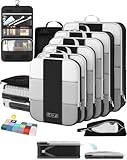
Maximizing luggage space is wise for Angola, as you may need outfits for cooler coastal evenings, warmer inland days, and occasional formal dinners. These cubes help separate clean clothes from those touched by red dust.

A packable bag is good for day trips to the busy Benfica market in Luanda, where you can see piles of lively fabrics and smell grilling fish, then stow it away for the return journey.
Electronics & Gadgets

Angola primarily uses Type C and Type F plugs, with 220V voltage. A reliable universal adapter ensures you can charge devices in hotels in Luanda, which may have older, inconsistent outlets.

Power outages can occur. A high-capacity power bank is important for keeping your phone charged for navigation, translation, and capturing the sight of the towering Cristo Rei statue overlooking the bay.

Durable cables withstand the rigors of travel on Angola's roads. Having extras is practical, as replacements are not easily found outside major centers like Luanda or Huambo.
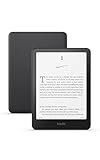
Long flights to Angola and relaxed evenings listening to the Atlantic waves are good for reading. A Kindle provides entertainment without the weight of physical books.

Hotel rooms in Angola often have limited outlets. A compact power strip lets you charge multiple devices simultaneously, protecting them from voltage fluctuations.
Toiletries & Health

A basic kit is important for treating minor cuts or stomach issues. Pharmacies exist in cities. But having immediate supplies is wise when traveling to more remote areas of Angola.

Solid bars prevent leaks in your luggage and are convenient for areas with limited water pressure. They are efficient for washing off the red dust you will see on your skin after a day exploring.

Carry all necessary prescription medicines in their original containers with a doctor's note. An organizer helps manage doses reliably throughout your stay in Angola.
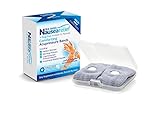
These are useful for winding road trips to destinations like the Kalandula Falls or boat trips along the coast, where you might feel the swell of the ocean.
Documents & Security

Keep your passport, visa, and yellow fever vaccination certificate secure and organized. This is your most important item for entry into Angola.

Useful for carrying larger amounts of local currency, the Kwanza, which is needed for markets and smaller vendors where cards are not accepted in Angola.

Secure your checked luggage. A combination lock avoids key loss and provides peace of mind when storing bags at lodgings during inland excursions in Angola.
Comfort & Convenience

Essential for long flights to Angola and for blocking out early morning light in hotels, aiding adjustment to the time zone.

Drown out the sound of nighttime traffic in Luanda or the crowing of roosters at dawn in rural areas, ensuring restful sleep.
Stay hydrated in Angola's climate. A collapsible bottle is easy to pack after use and can be filled with filtered water at your hotel.
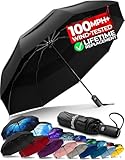
Sudden, heavy rainfall is common during the humid season. A sturdy, compact umbrella protects you from downpours that can arrive with little warning.

Good for spontaneous purchases at the artisanal markets in Angola, where you might find carved wooden figures or colorful textiles.
Outdoor & Hiking Gear
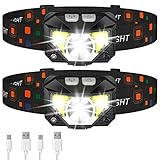
Power cuts can plunge areas into darkness. A headlamp is also essential for exploring caves or early morning walks where you will hear the chorus of tropical birds.

A prudent addition for travel outside major cities in Angola, ensuring access to safe drinking water during trips to national parks or remote villages.
Seasonal Packing Adjustments
What to add or skip depending on when you visit
Cool Dry Season
May, June, July, August, September, October
Add: Light jacket or sweater, Long trousers
Shop Cool Dry Season essentials →Skip: Excessive rain gear
Mornings and evenings on the coast are cool. You will feel a persistent breeze. Pack a layer for evenings spent listening to live music at Luanda's waterfront.
Hot Humid Season
November, December, January, February, March, April
Add: Lightweight, quick-dry clothing, Strong rain jacket, Extra insect repellent
Shop Hot Humid Season essentials →Skip: Heavy sweaters
Expect high humidity and intense, short rain showers. You will smell the petrichor as rain hits warm pavement. Mosquito activity increases.
Luggage Recommendation
A durable, lockable suitcase or backpack is advised. Roads can be rough, so sturdy wheels or a reinforced backpack frame is beneficial. Given potential internal flights with strict weight limits, a portable luggage scale is a wise companion.
Shop Carry-On Luggage on AmazonPro Packing Tips
Practical advice from experienced travelers
Don't Pack
- Heavy guidebooks. They are weighty and information can be outdated. Use digital resources instead.
- Large bottles of shampoo or conditioner. You can find these at supermarkets in Luanda like Shoprite or Kero, saving luggage space.
- Excessive snacks; Angolan markets offer fresh fruits like sweet mangoes you can taste and roasted cashews you can smell.
- A full roll of toilet paper. It is bulky and readily available at local stores.
Buy Locally
- Local SIM card from operators like Unitel or Movicel. Purchase at their stores in Luanda's Baixa district for better data plans than airport options.
- Traditional capulana fabric from markets like Benfica in Luanda. You will see dazzling patterns and feel the soft cotton.
- Fresh coffee from the interior highlands. The rich, aromatic beans are a signature product of Angola.
Packing Hacks
- Roll clothes instead of folding to save space
- Pack shoes in shower caps to protect clothes
- Use packing cubes to stay organized
- Keep essentials in your carry-on
Continue Planning Your Trip
More guides to help you prepare
Ready to plan your trip to Angola?
Now that you've got the research covered, here's where to go next.